The Deep Sleep Archive
A technical but poetic guide to winterization. This process covers draining pipes and protecting the structure from snow, presented as "putting the house to bed."
Preparing for Rest
As autumn deepens and the last leaves fall, the cottage prepares for its winter rest. This is not abandonment—it's a careful, methodical process of protection. The house will sleep through the cold months, and our task is to ensure it sleeps peacefully.
The closing ritual begins with observation. Notice how the light has changed. The days are shorter, the air carries a different quality. The cottage itself seems to settle, as if anticipating the coming quiet.
Draining the Pipes
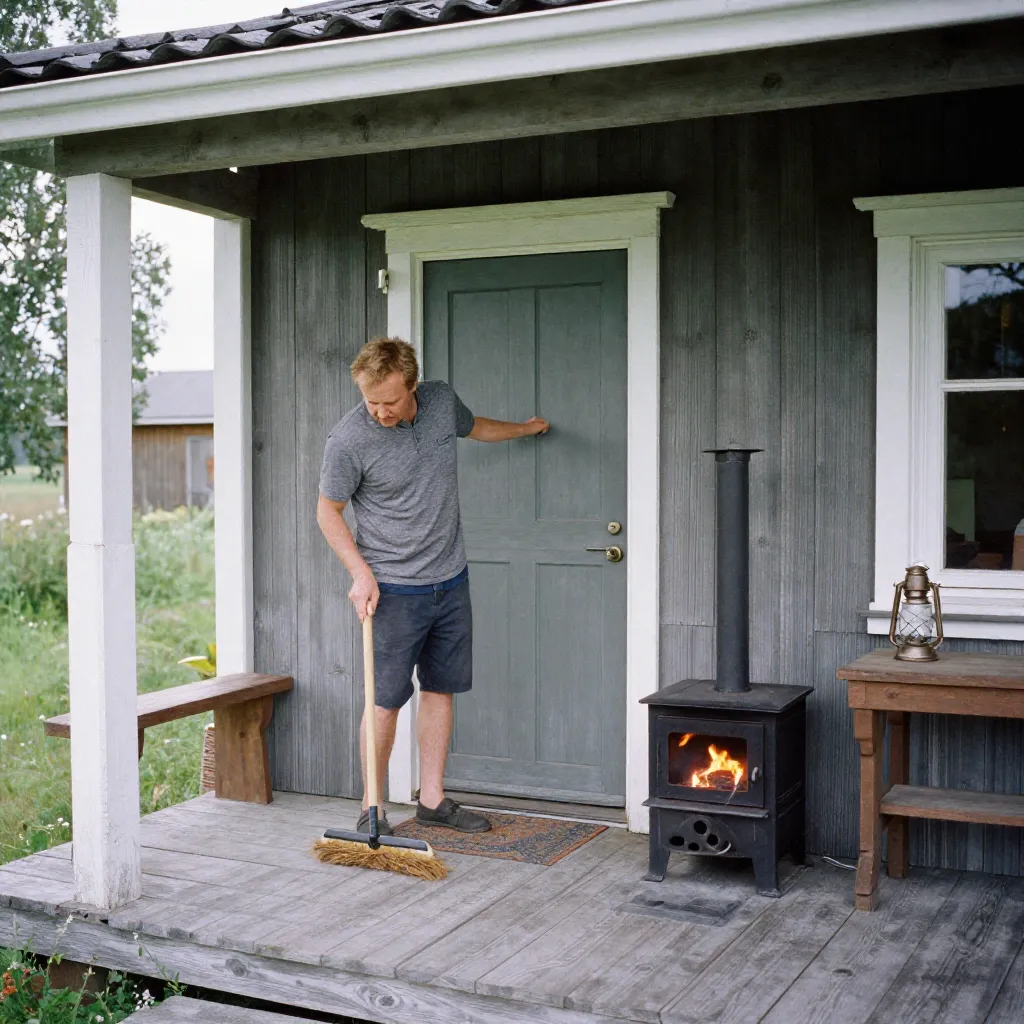
The Water System
Start by turning off the main water supply. This is the foundation of winterization. Once the supply is closed, open every faucet—hot and cold, inside and out. Let gravity do its work.
Work from the highest point downward. Open faucets on upper floors first, then move to lower levels. Don't forget outdoor spigots and any secondary water lines. Each drop removed is protection against freezing damage.
Complete Drainage
After opening faucets, flush toilets to empty tanks and bowls. Check under sinks for any remaining water. Inspect water heaters and drain them according to manufacturer instructions.
Add antifreeze to drain traps if temperatures will drop significantly. This prevents remaining water from freezing and cracking pipes. Use products specifically designed for plumbing systems.
Protecting from Snow
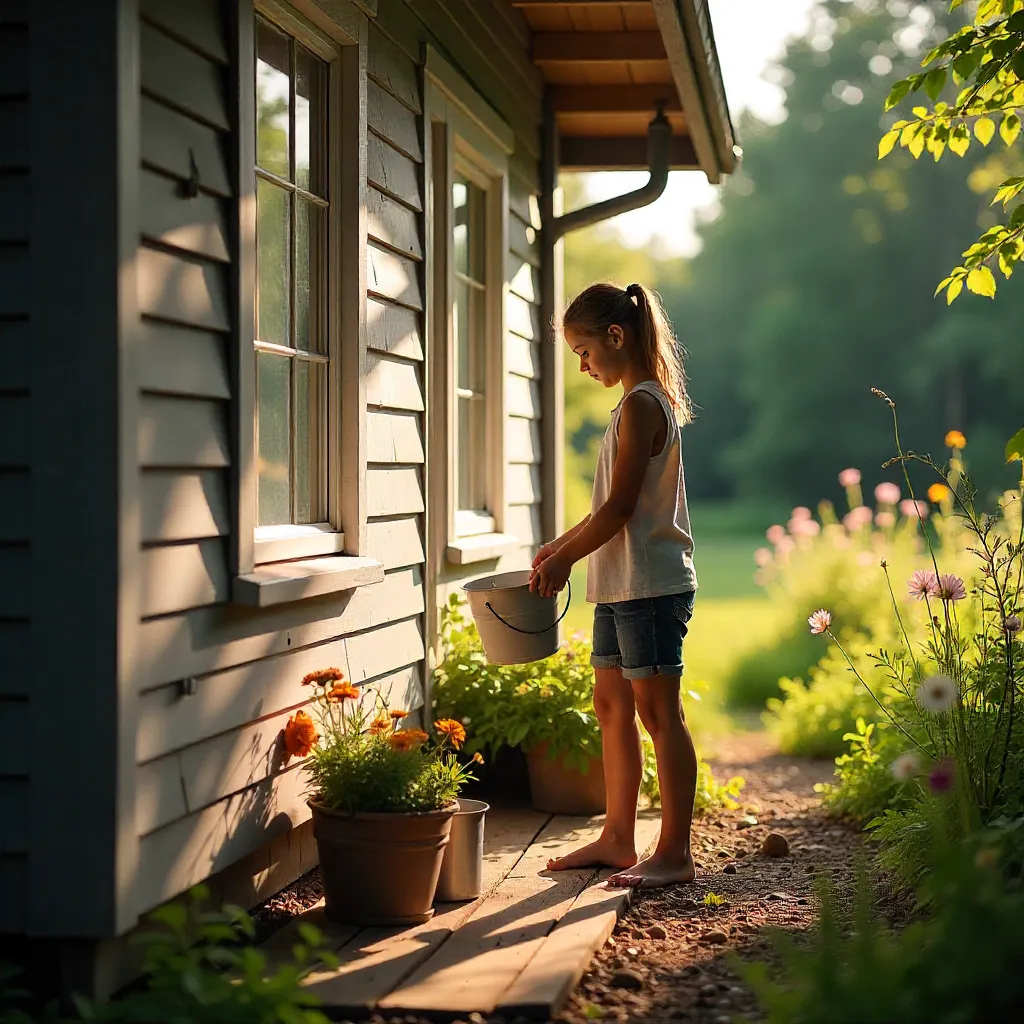
Snow accumulation can create significant weight on roofs and structures. Before closing, inspect the roof's condition. Are there loose shingles? Damaged flashing? Address these issues now, before winter makes access difficult.
Clear gutters and downspouts of autumn debris. Clogged gutters can cause ice dams, which lead to water infiltration. Clean gutters allow snowmelt to flow away from the structure.
Consider installing roof heating cables in areas prone to ice dams. These systems prevent ice buildup and protect against water damage. Proper installation is essential for safety and effectiveness.
Securing the Structure

Windows and Doors
Check all windows and doors for proper sealing. Replace worn weatherstripping. Ensure locks function correctly. Close and lock all windows securely.
Consider installing storm windows or shutters if your area experiences severe winter weather. These provide additional protection against wind and cold.
Ventilation
While sealing is important, some ventilation prevents moisture buildup. Leave small gaps or use vent covers designed for winter use. This balance prevents both freezing and mold growth.
Check attic vents to ensure they remain clear. Proper attic ventilation prevents ice dams and protects roof structures.
Exterior Elements
Store outdoor furniture, tools, and decorations. Secure anything that could become a projectile in winter storms. Trim branches that overhang the roof or structure.
Inspect the foundation for cracks or gaps where animals might enter. Seal these openings to prevent unwanted winter guests.
The Final Steps
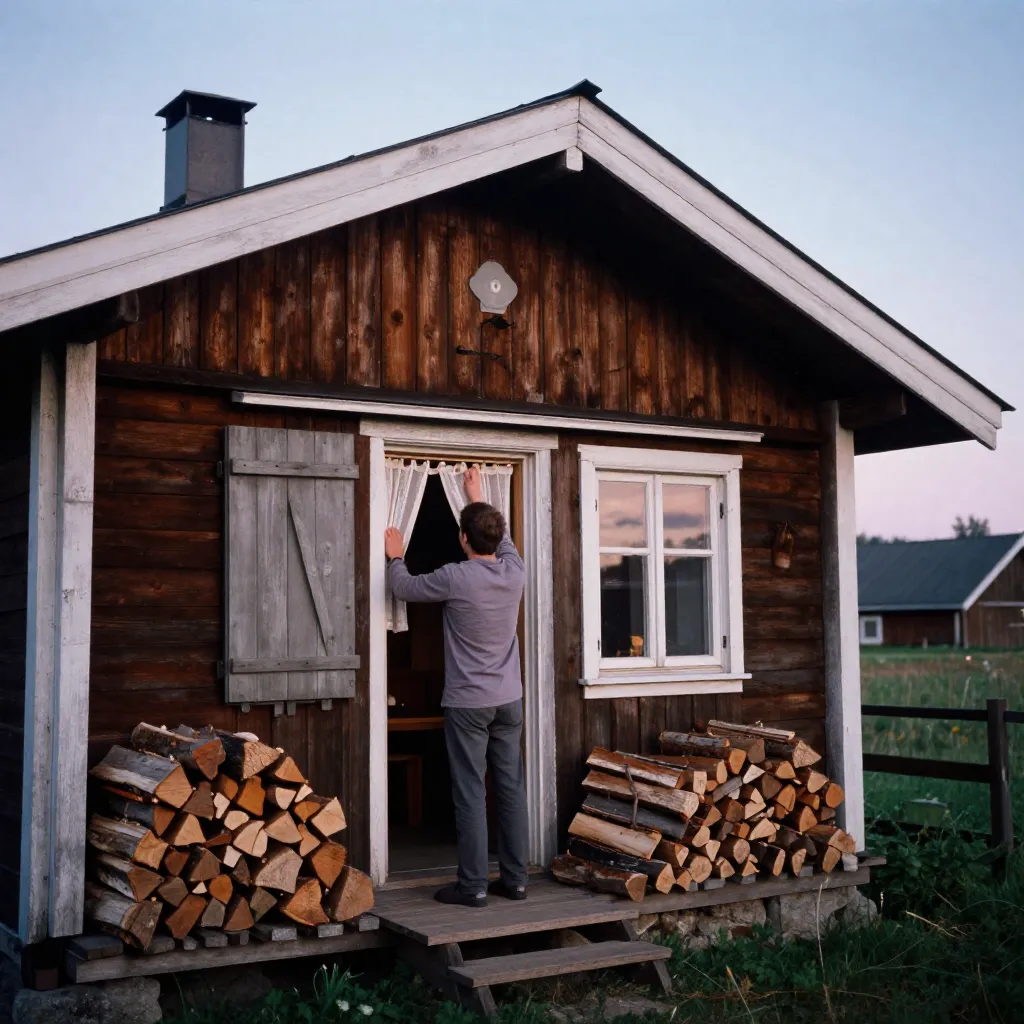
Turn off electrical systems that won't be needed. Unplug appliances. Set thermostats to a low but safe temperature if you're maintaining minimal heat, or turn them off completely if the cottage will be unheated.
Clean thoroughly. Remove all food items that could attract animals. Empty trash and recycling. A clean cottage is less attractive to pests seeking winter shelter.
Take one final walk through each room. Notice the light, the quiet, the way the space feels. This is the cottage settling into its winter state. Close the door gently, knowing you've prepared it well.
The Deep Sleep
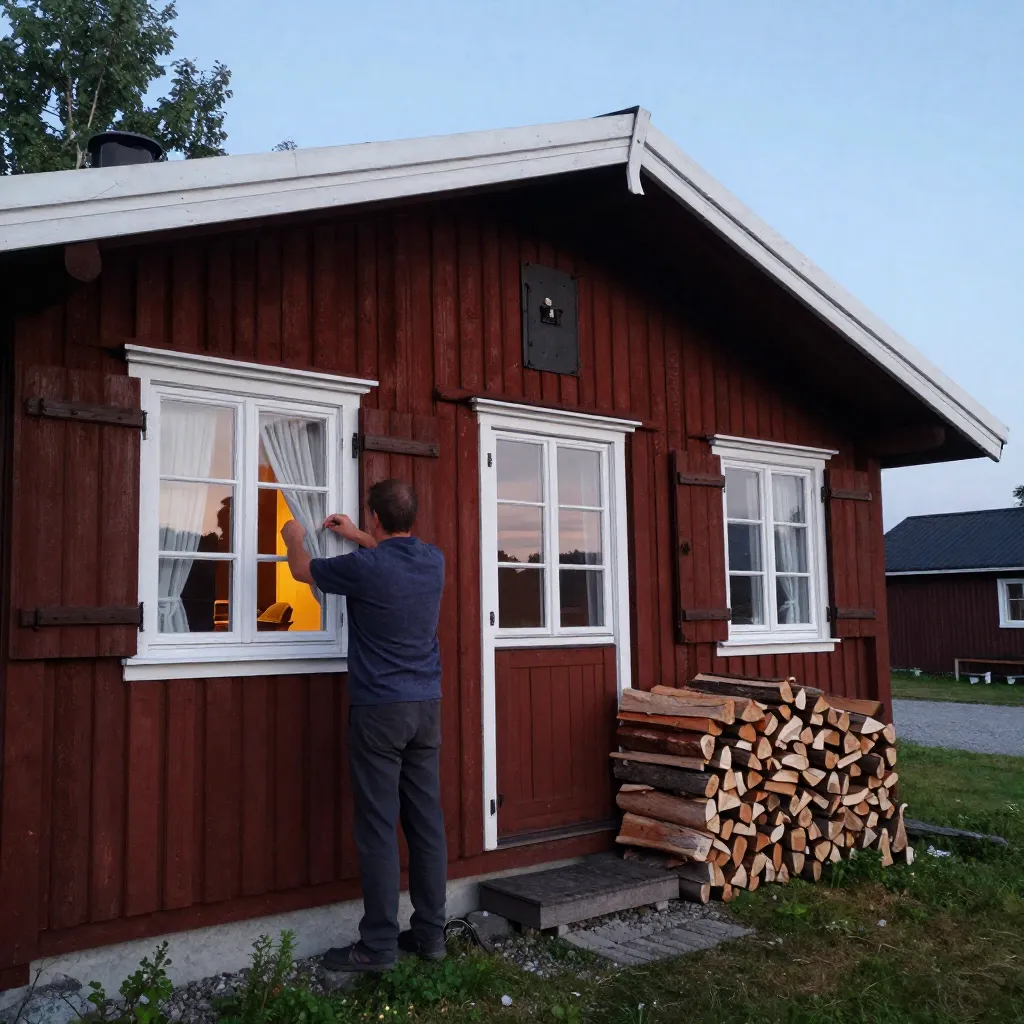
The cottage now enters its period of rest. Snow will accumulate on the roof. Ice will form on windows. The structure will weather the winter, protected by the care you've taken.
When spring returns, you'll find the cottage waiting—perhaps with minor signs of winter's passage, but fundamentally intact. The closing ritual ensures this continuity, preserving the place for seasons to come.
This is the art of putting the house to bed: methodical, thorough, and respectful of both the structure and the season. The cottage sleeps, and you leave knowing it will awaken again.