The Mökki Ledger
A lifestyle page dedicated to the non-technical side—the "Guest Book" traditions, the seasonal foraging calendar, and the ritual of the first sauna.
The Guest Book
Every cottage has a guest book. It might be a simple notebook, a leather-bound journal, or a collection of loose pages in a drawer. Whatever its form, it serves the same purpose: recording moments, preserving memories, creating continuity.
When you arrive, read the last entries. See who came before you, what they experienced, what they noticed. Then add your own entry. Write about the weather, the light, what you saw on your walk. Mention the small things—the bird that visited the feeder, the way the lake looked at sunset, the taste of berries you picked.
These entries create a narrative across seasons and years. They connect visitors who never meet, creating a shared experience of place. The guest book becomes a living document, a testament to the cottage's role as a gathering place.
The Foraging Calendar
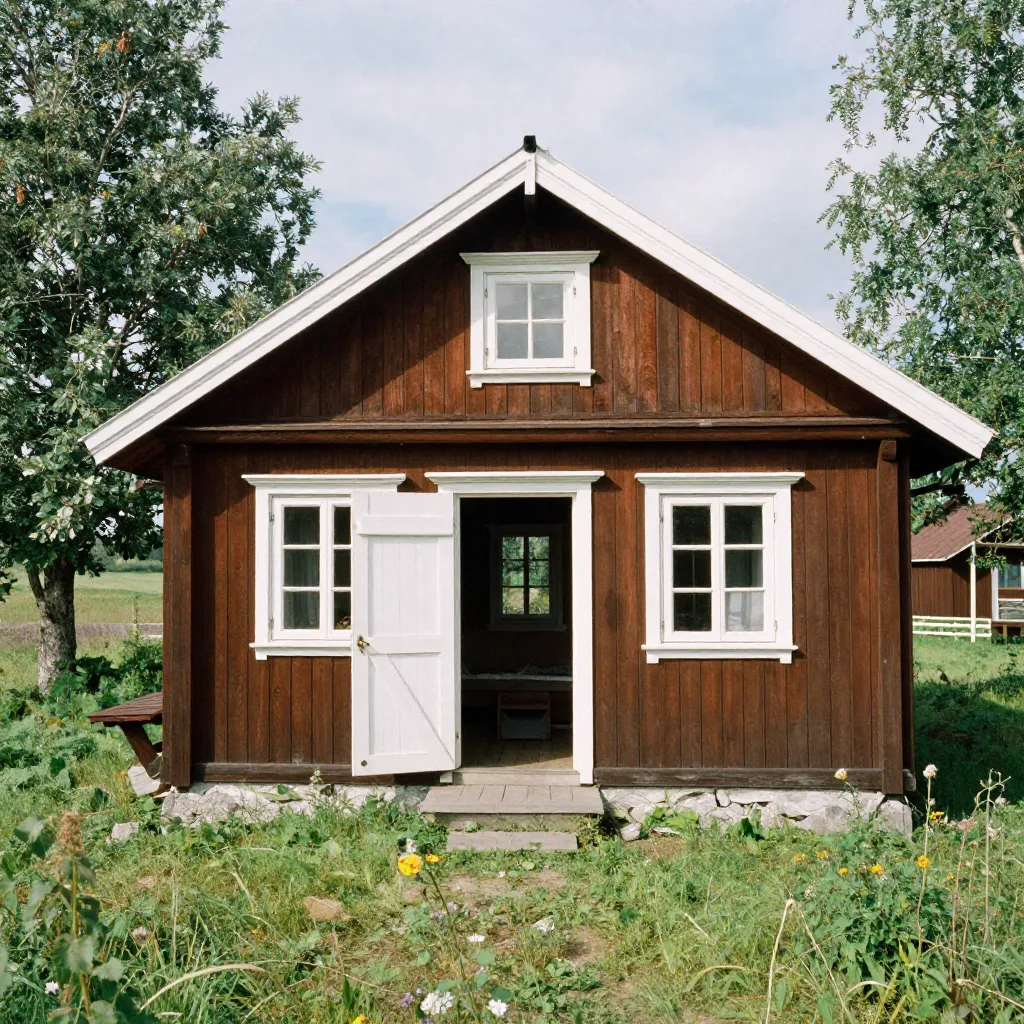
Early Summer
As spring transitions to summer, wild strawberries appear in sunny clearings. These small, intensely flavored berries mark the beginning of the foraging season. Look for them in meadows and along forest edges.
Wild herbs are abundant. Nettle, dandelion greens, and young plantain leaves can be gathered for teas and cooking. Always identify plants carefully and harvest sustainably.
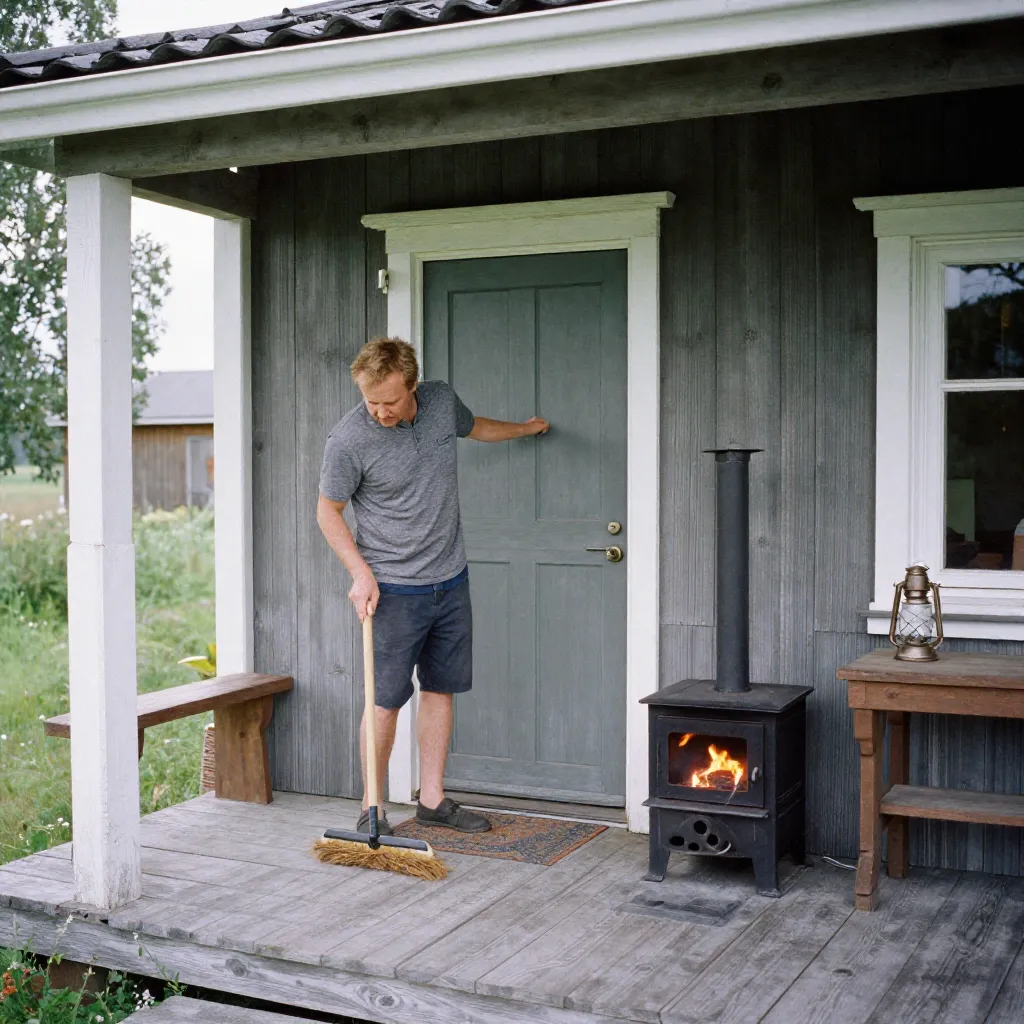
Late Summer
Blueberries and lingonberries ripen in late summer. These are the classic cottage berries, gathered in baskets and preserved for winter. The timing varies with elevation and weather, so watch for the first ripe clusters.
Mushroom season begins after summer rains. Chanterelles, boletes, and other edible varieties appear. Foraging requires knowledge—if you're uncertain, consult an expert or reliable guide.
Foraging connects you to the land in a direct way. You're participating in the natural cycle, gathering what the earth provides. This activity requires patience, observation, and respect for the ecosystem.
Always follow sustainable practices. Take only what you need. Leave enough for wildlife and future growth. Harvest from areas away from roads and pollution. These practices ensure the resource remains available for years to come.
The First Sauna
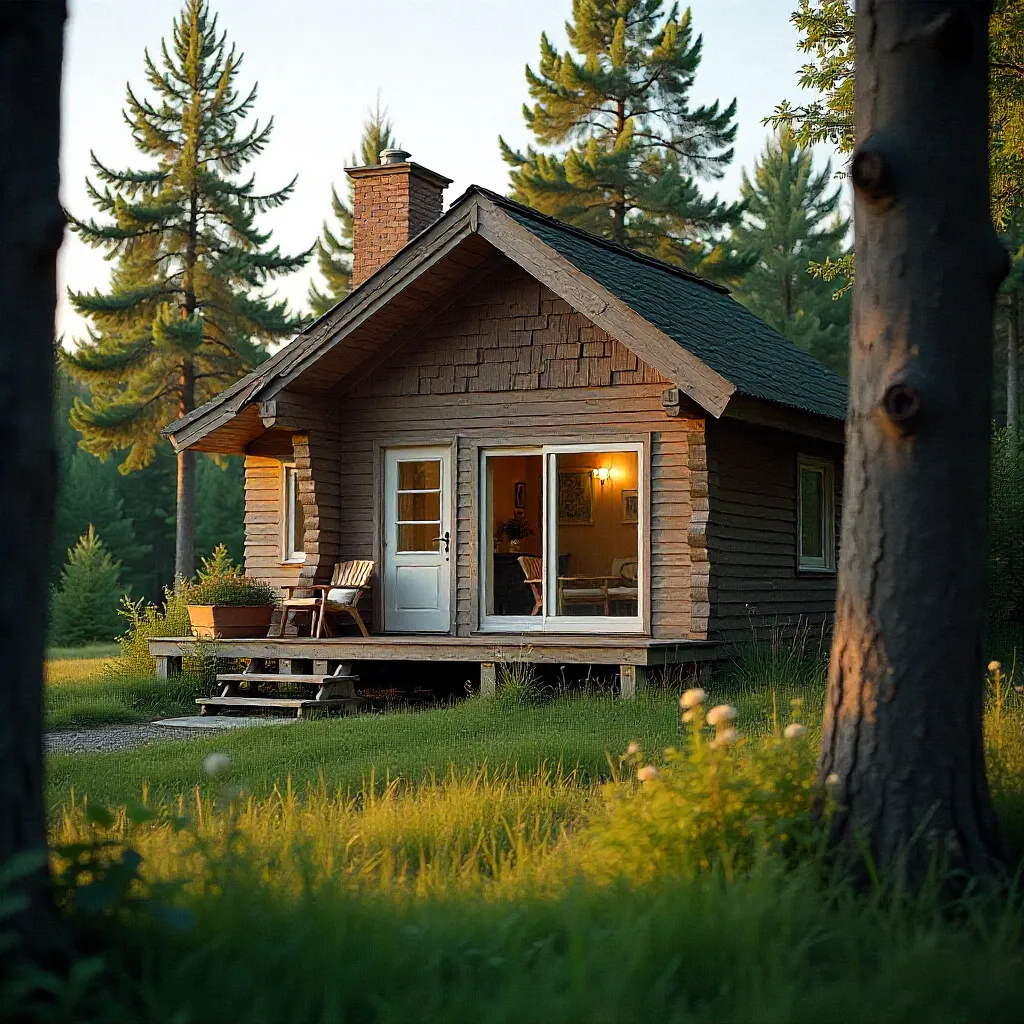
The first sauna of the season is a ritual moment. It marks the true beginning of cottage time, a transition from ordinary life to the slower rhythm of the cottage.
Preparing the sauna requires attention. Clean the benches, check the stove, gather wood. The fire must be built carefully—too much wood and it overheats, too little and it never reaches the right temperature. Experience teaches you the balance.
As the sauna heats, the cottage fills with the scent of wood smoke and hot stones. This is a familiar smell, one that signals relaxation and renewal. When the temperature is right, enter slowly. Let your body adjust to the heat.
The first sauna washes away the accumulated stress of daily life. It's a reset, a return to simplicity. Afterward, cool off outside—perhaps with a dip in the lake if weather permits, or simply standing in the evening air.
This ritual has been practiced for generations. The sauna is more than a structure; it's a place of cleansing, both physical and mental. The first sauna of the season reconnects you to this tradition.
Daily Rhythms
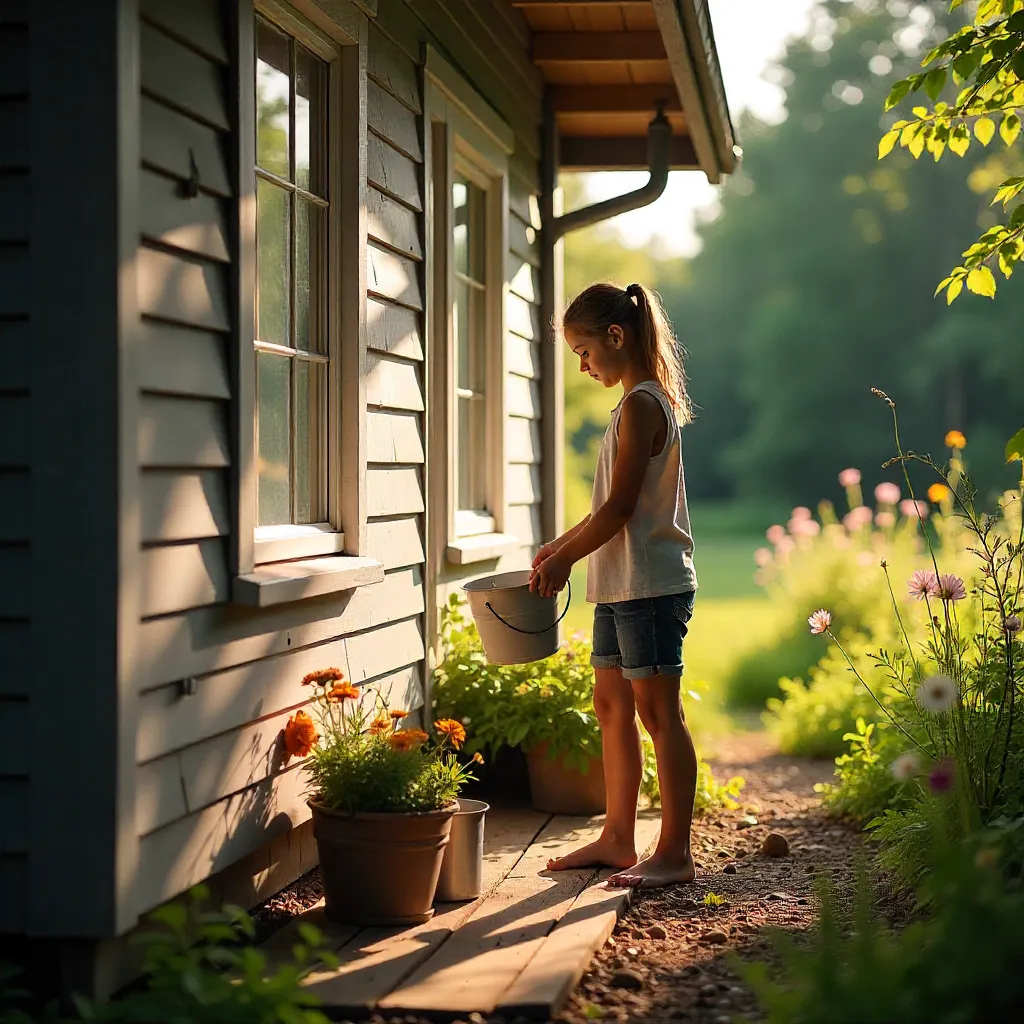
Morning
Mornings at the cottage follow a different rhythm. There's no rush, no schedule to keep. Coffee on the porch, watching the light change. A walk to check the weather, to see what the day will bring.
These quiet mornings set the tone for the day. They're a reminder that time can move slowly, that observation is valuable, that stillness has its own rewards.
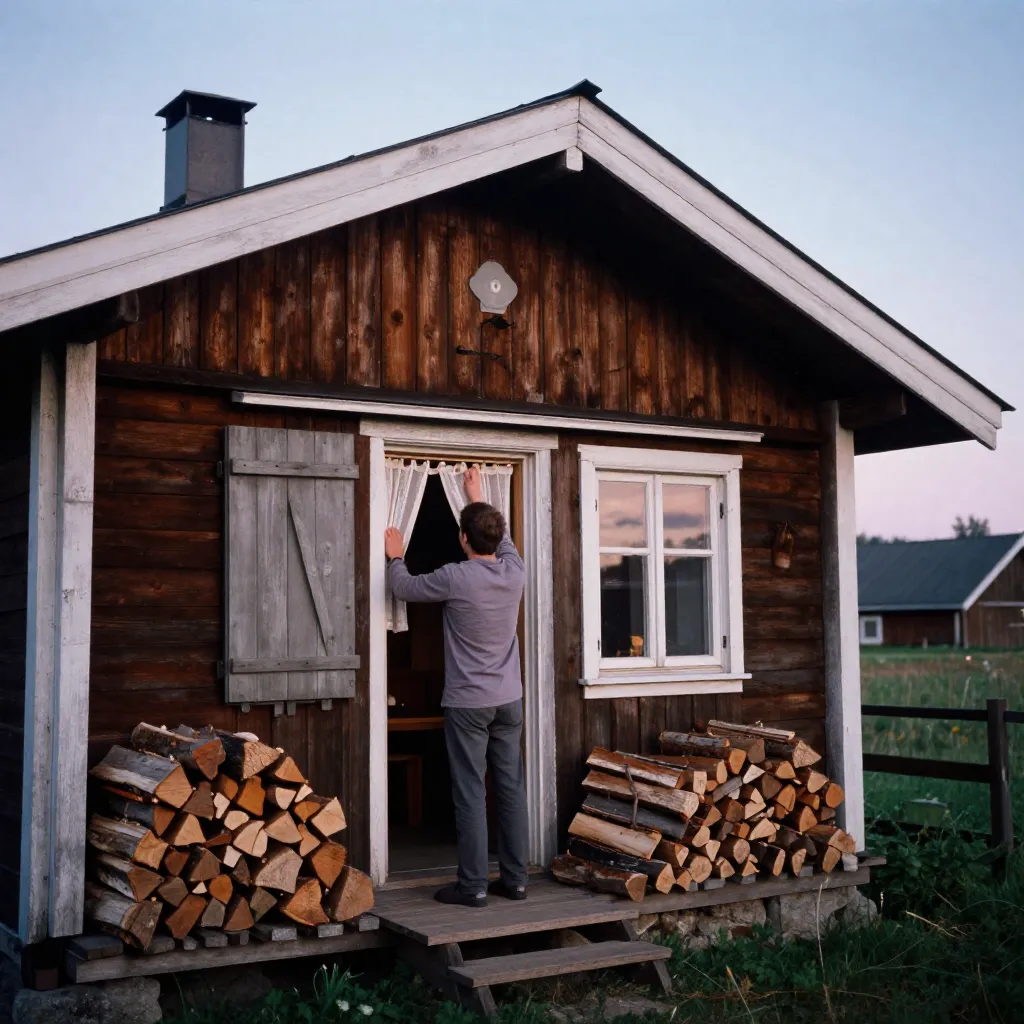
Afternoon
Afternoons are for activity—maintenance tasks, foraging, exploring. Or they're for rest—reading, napping, simply being. The cottage accommodates both modes.
There's no pressure to be productive. The afternoon can be whatever you need it to be. This flexibility is part of the cottage's gift.
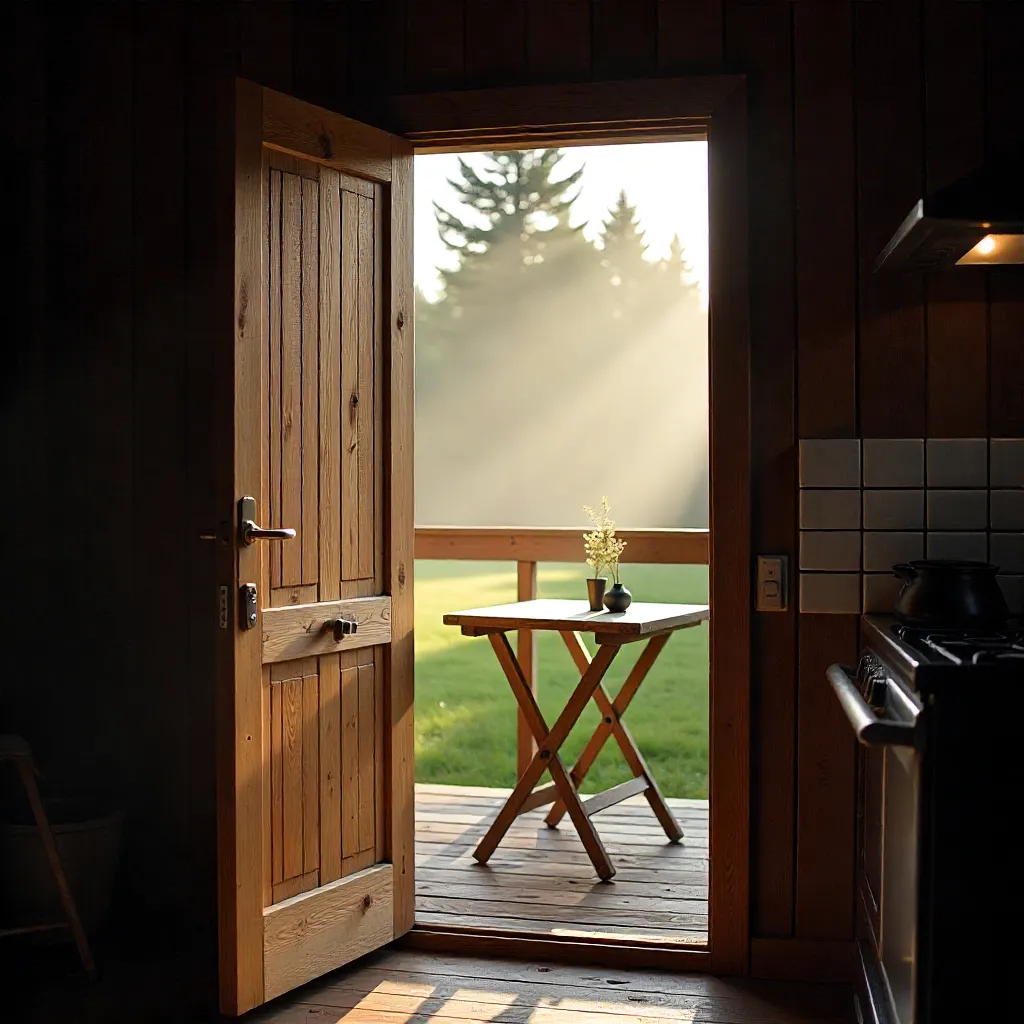
Evening
Evenings bring gathering. Meals prepared simply, eaten slowly. Conversation that meanders. Games or stories or simply sitting together, watching the light fade.
The evening sauna, if taken, provides closure to the day. Then sleep comes easily, lulled by the sounds of the cottage settling, the wind in the trees, the distant call of night birds.
Continuity Across Generations
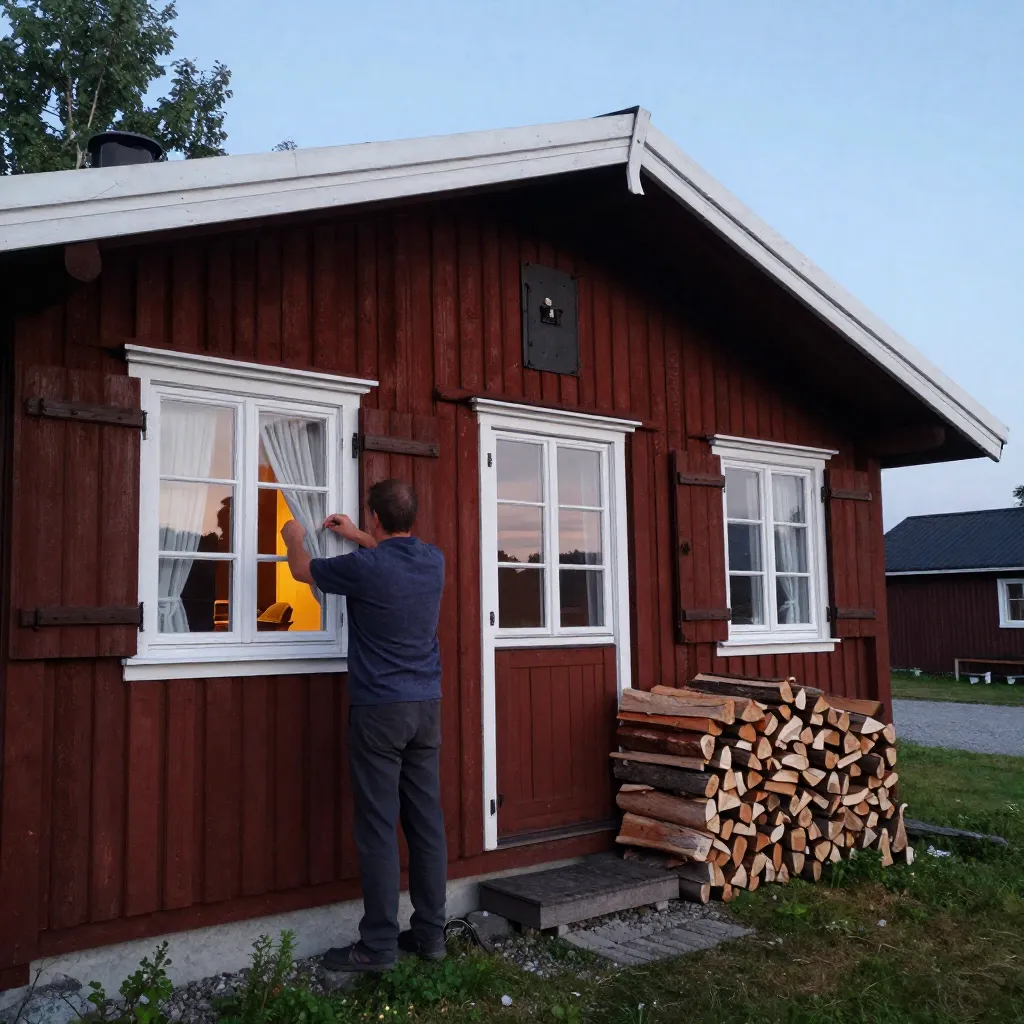
The cottage exists in time as well as space. It holds memories of previous visits, previous seasons, previous generations. These traditions—the guest book, the foraging, the sauna—create threads that connect past and present.
When you follow these rituals, you're participating in something larger than yourself. You're maintaining continuity, preserving practices that have meaning beyond their immediate function.
The Mökki Ledger is not just a record of activities; it's a testament to the way the cottage shapes experience. These traditions ground you in place and time, creating a sense of belonging that extends beyond your individual visit.